India's tourism sector is undergoing significant expansion, with government initiatives aimed at boosting visitor numbers, improving infrastructure, and showcasing the country's diverse cultural and natural heritage. For travellers planning trips within India or from abroad, these developments promise enhanced experiences and better connectivity to previously hard-to-reach destinations.
Why Tourism Expansion Matters Now
India welcomed approximately 10 million foreign tourists and saw hundreds of millions of domestic trips in recent years, contributing substantially to GDP and employment. The tourism sector employs millions across hospitality, transport, handicrafts, and related industries. Post-pandemic recovery efforts have accelerated, with authorities recognizing tourism's potential to drive economic growth while preserving cultural heritage.
The expansion initiatives focus on infrastructure development, digital integration, sustainable practices, and marketing lesser-known destinations to reduce pressure on overcrowded tourist hotspots.
Key Areas of Tourism Development
Several focus areas are shaping India's tourism landscape:
- Infrastructure improvements including new airports, upgraded rail connectivity, and better road access to tourist destinations
- Development of themed circuits such as spiritual, coastal, eco-tourism, and adventure tourism routes
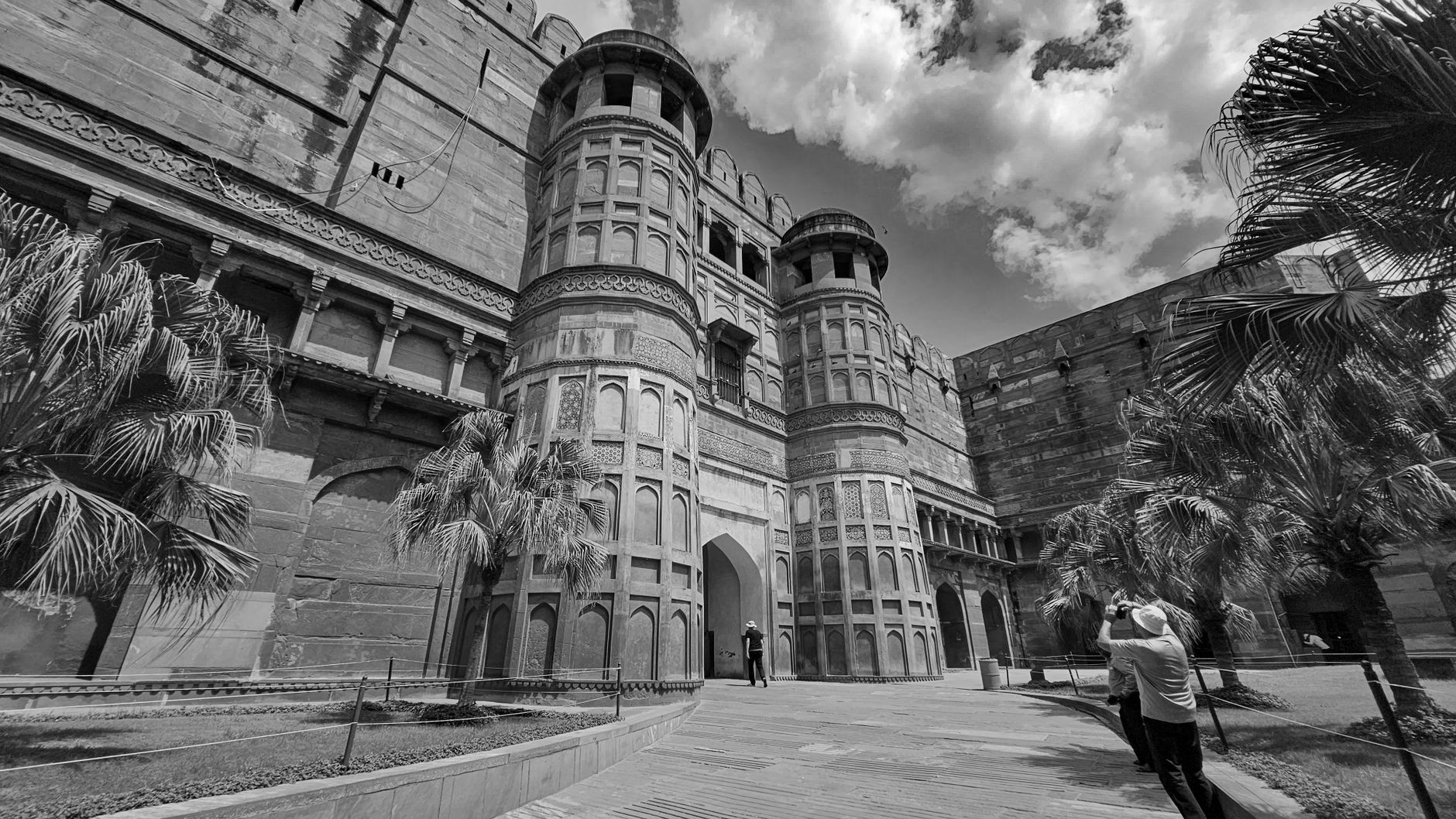
- Enhancement of facilities at existing heritage sites and monuments
- Promotion of experiential tourism including homestays, rural tourism, and cultural immersion programs
- Digital initiatives for online visa processing, booking platforms, and tourist information systems
Regional Highlights and Emerging Destinations
While popular destinations like Goa, Kerala, Rajasthan, and the Golden Triangle continue attracting visitors, expansion efforts are spotlighting lesser-explored regions. Northeast India is receiving particular attention, with improved connectivity making states like Sikkim, Arunachal Pradesh, and Meghalaya more accessible. These regions offer unique cultural experiences, pristine landscapes, and adventure opportunities.
Coastal tourism is expanding beyond traditional beaches, with initiatives to develop water sports infrastructure, cruise tourism facilities, and coastal heritage trails. Island destinations are being positioned as premium offerings with sustainable tourism models.
What This Means for Domestic Travellers
Indian travellers stand to benefit significantly from these expansion efforts. Improved infrastructure reduces travel time and enhances comfort, while the promotion of diverse destinations offers alternatives to overcrowded spots during peak seasons. Many initiatives include budget-friendly options, making quality tourism experiences accessible to middle-income families.
The development of regional circuits allows for shorter, themed trips that fit modern schedules. Weekend getaways to heritage sites, nature reserves, or cultural centres become more feasible with better connectivity and standardized facilities.
Impact on International Visitors
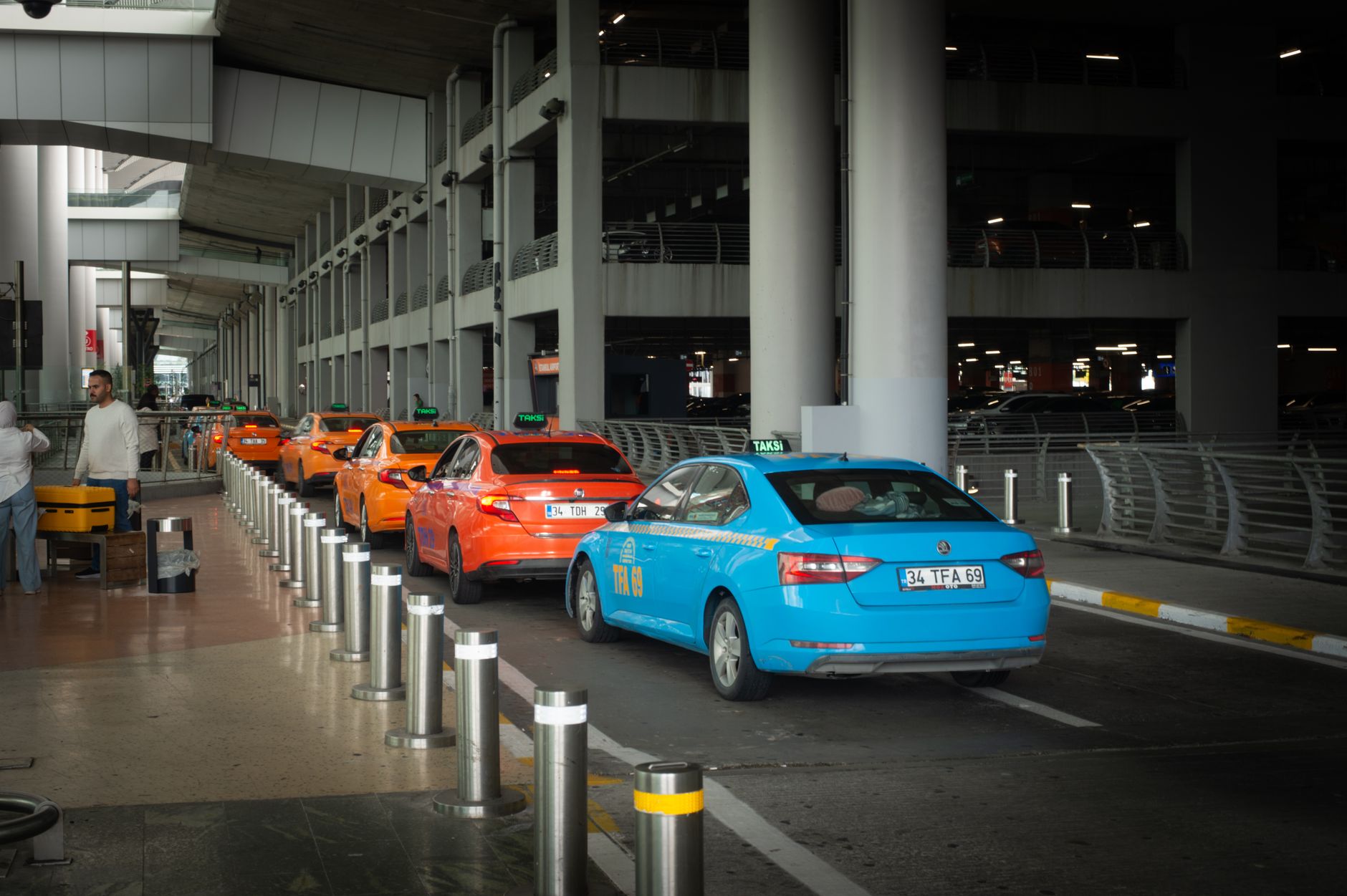
For foreign tourists, India is working to simplify entry procedures and enhance the overall visitor experience. E-visa facilities have been expanded to cover more nationalities and purposes. Tourism infrastructure at major entry points—airports and popular destinations—is being upgraded to international standards.
Improved safety measures, better tourist information systems, and trained guides enhance comfort levels for first-time visitors. The expansion of certified accommodations ensures quality stays across price points.
Sustainable Tourism Initiatives
Recognizing the environmental and cultural impact of tourism, expansion plans increasingly incorporate sustainability principles. This includes limiting visitor numbers at ecologically sensitive sites, promoting responsible tourism practices, and ensuring local communities benefit economically from tourism activities.
Heritage site management now balances preservation with accessibility, using technology for crowd management and maintaining site integrity. Eco-tourism projects in forests and wildlife areas follow strict environmental protocols.
Practical Considerations for Travellers
Despite expansion efforts, travellers should remain mindful of practical realities. Infrastructure development is ongoing, meaning some destinations may have construction activities. Newly developed tourist circuits may have limited accommodation options initially, requiring advance planning.
Digital initiatives work best in well-connected areas; remote destinations may still have limited online booking options. Travellers should maintain flexibility and verify current conditions before visiting newly promoted destinations.
Planning Your Journey
To maximize benefits from tourism expansion:
- Research newly developed circuits aligned with your interests
- Book accommodations and transport in advance for emerging destinations
- Consider off-season travel to avoid crowds and support year-round tourism
- Engage with local communities through homestays and cultural programs
- Use official tourism portals for authentic information and certified service providers
- Respect local customs and environmental guidelines at all destinations
India's tourism expansion represents an opportunity to explore diverse experiences while contributing to local economies and cultural preservation. As infrastructure improves and new destinations open, travellers have unprecedented options for discovering India's remarkable variety.