India has achieved a remarkable milestone in its healthcare education sector, more than doubling the number of medical colleges across the country since 2014. This expansion represents one of the most significant transformations in Indian medical education, aimed at addressing the chronic shortage of doctors and improving healthcare accessibility for the nation's 1.4 billion citizens.
The Scale of Expansion
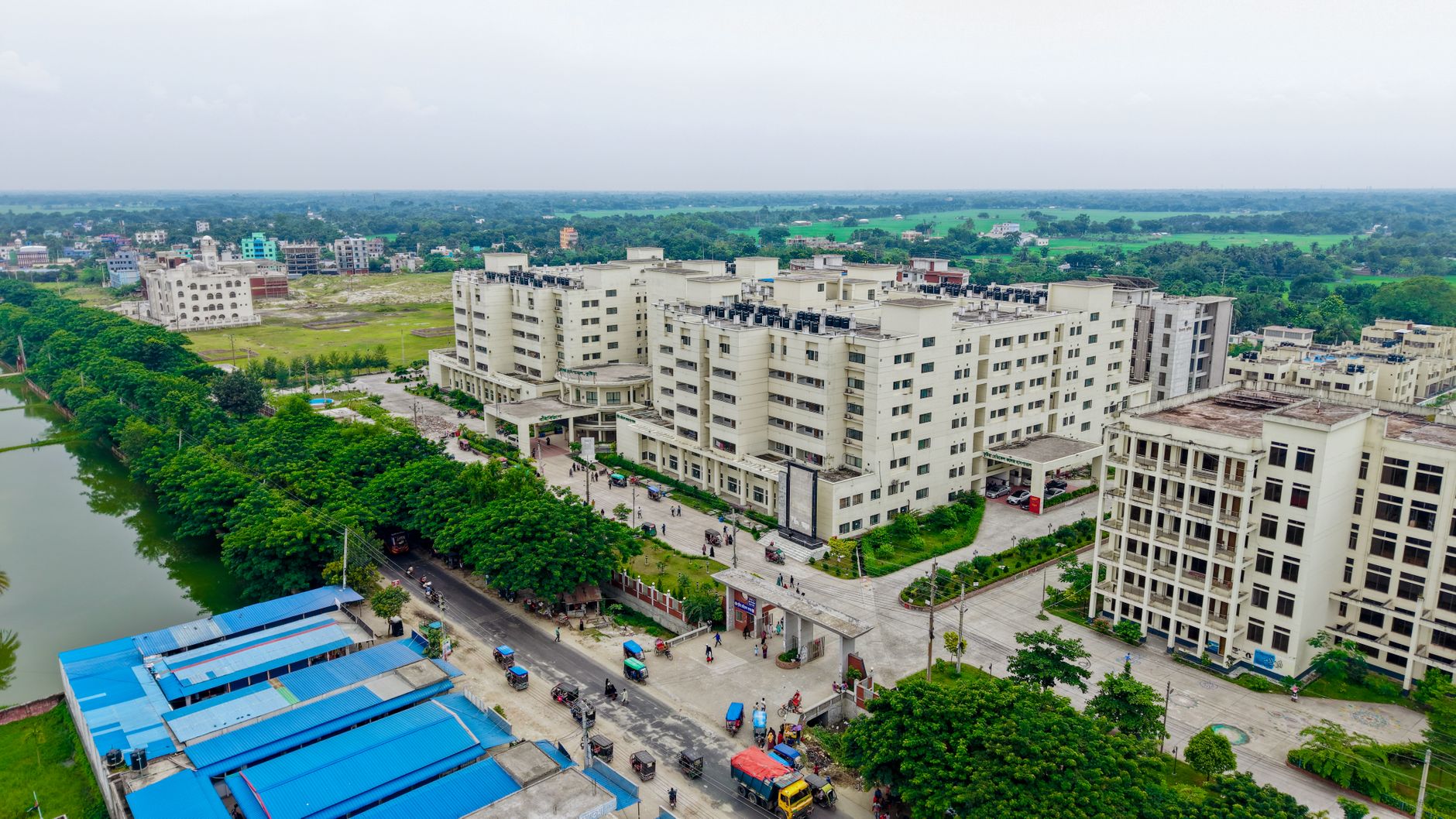
The growth in medical education infrastructure has been substantial and systematic. From approximately 387 medical colleges in 2014, India now boasts over 700 institutions offering MBBS and other medical courses. This expansion includes both government and private institutions, with a particular focus on establishing medical colleges in tier-2 and tier-3 cities where healthcare infrastructure has traditionally been weak.
The increase in medical colleges has directly translated to more MBBS seats. The annual intake capacity has grown from around 51,000 seats in 2014 to over 100,000 seats currently, effectively doubling the number of students who can pursue undergraduate medical education each year. This expansion also extends to postgraduate medical education, with significant increases in MD and MS seats across specialties.
Government Initiatives Behind the Growth
Several policy initiatives have driven this expansion. The establishment of medical colleges attached to district hospitals has been a key strategy, bringing medical education to underserved regions. The centrally sponsored scheme to upgrade district hospitals with medical colleges has been particularly effective in states that previously had limited medical education infrastructure.
Additionally, the government has relaxed certain norms and streamlined approval processes for starting new medical colleges, while maintaining quality standards through the National Medical Commission. Public-private partnerships have also played a role, with private institutions being encouraged to establish medical colleges in regions with healthcare gaps.
Impact on Doctor-to-Population Ratio
India has historically faced a significant shortage of doctors, with the doctor-to-population ratio falling well below World Health Organization recommendations. The WHO suggests a ratio of 1:1000, but India has been operating at approximately 1:1400 or worse in many regions.
The expansion of medical colleges is a critical step toward addressing this gap. With more doctors graduating each year, the healthcare system is gradually becoming better equipped to serve the population, particularly in rural and semi-urban areas where the shortage has been most acute.
Challenges and Quality Concerns
While the quantitative expansion is impressive, it has raised concerns about maintaining educational quality and standards. Some key challenges include:
- Shortage of qualified faculty members to teach in the increased number of institutions
- Inadequate infrastructure and hospital facilities in some newer colleges
- Variation in quality between established institutions and newly created ones
- Need for sufficient patient load and clinical exposure for students
- Ensuring adequate resources for practical training and research
The National Medical Commission has been working to address these concerns through stricter inspection regimes, standardized curriculum requirements, and penalties for institutions that fail to meet prescribed standards.
Opportunities for Aspiring Medical Students
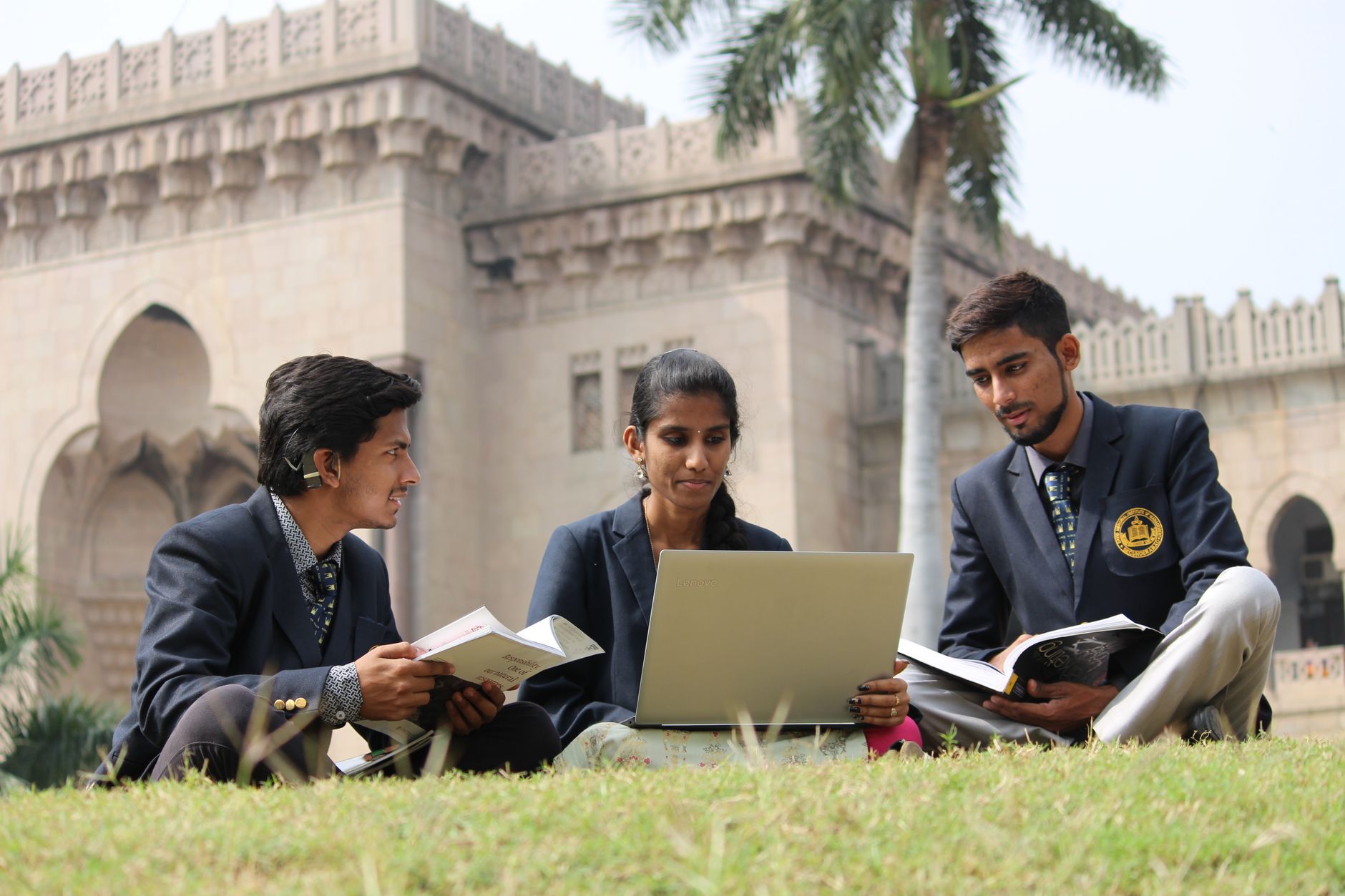
The expansion has created unprecedented opportunities for students aspiring to enter the medical profession. Competition for medical seats, while still intense, has become relatively less cutthroat due to the increased availability of seats. Students from smaller towns and cities now have access to medical education closer to home, reducing the financial and social burden of relocating to major metropolitan areas.
The diversification of medical colleges across states has also meant that students have more options when choosing institutions, allowing them to consider factors beyond just admission cutoffs, such as the institution's focus areas, research opportunities, and campus facilities.
Regional Distribution and Equity
One of the most positive aspects of this expansion has been the improved geographical distribution of medical education. States that previously had only a handful of medical colleges, particularly in the northeastern region, central India, and some northern states, have seen substantial growth in their medical education infrastructure.
This regional spread is crucial for ensuring that healthcare professionals are available across the country and not concentrated only in urban centers. Doctors trained in particular regions are more likely to practice there, helping to address regional healthcare disparities.
The Road Ahead
The expansion of medical education is an ongoing process. The government continues to announce new medical colleges and additional seats, with targets to further increase capacity in the coming years. The focus is shifting toward not just quantity but ensuring quality education, adequate faculty, modern infrastructure, and comprehensive clinical training.
As India's medical education sector continues to evolve, the success of this expansion will ultimately be measured by the quality of healthcare professionals produced and their contribution to improving health outcomes across the country.